
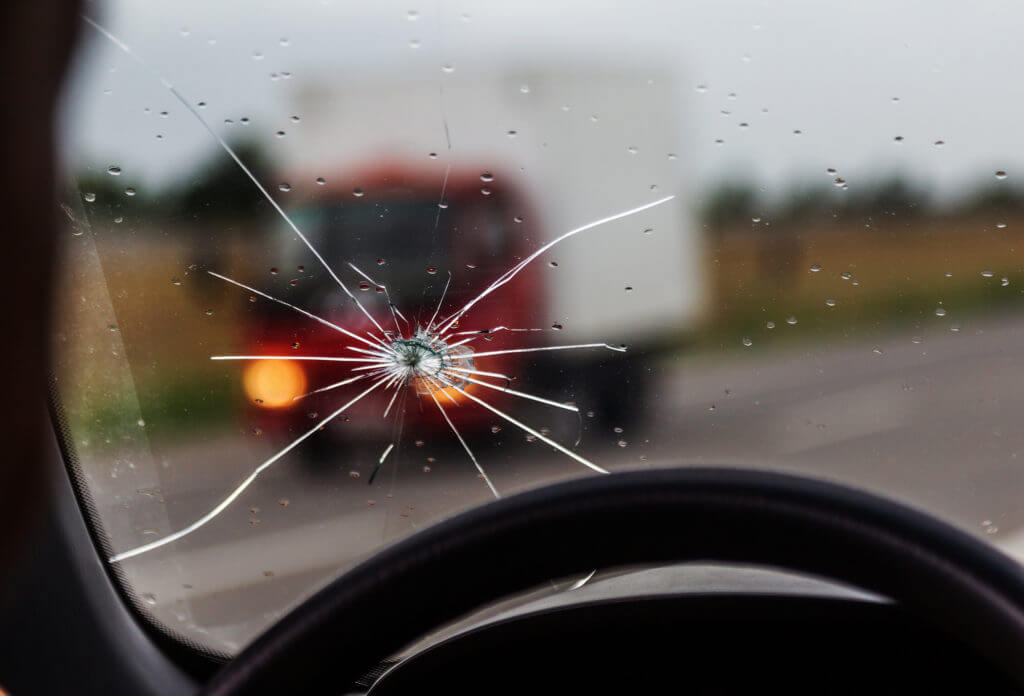

Why do rock chips always seem to happen at the worst possible moment? Imagine you are traveling to the party with a group of friends, and instantly you hear a sharp tick that first looked small, but then after a few moments, it looked like a total disaster on the entire windshield.
Yeah, most of the people believe that rock chips aren’t such a big deal. But trust us, they really are… especially when they spread like a crack in ice… quietly at first, then ALL at once.
Remember, the moment your windshield is compromised, time becomes the most important factor, because when the outer layer is chipped, your windshield loses its ability to absorb stress evenly. Make sure you address the problem quickly before it becomes a headache.
However, there is one question that always sticks in everyone’s mind. How to prevent windshield damage? Let’s break down the causes of rock chips and the windshield damage prevention methods.

What Exactly is a Rock Chip?
A rock chip usually happens when a small stone, road debris, or any hard material hits your windscreen at speed. This breaks the outer layer of glass, weakens the overall structure, and creates a vulnerable spot that can spread.
It doesn’t even take a big rock. Sometimes, a stone smaller than a pea or barely visible at first can cause damage.
Some Common Causes of Rock Chips
There are different causes of rock chips. Some of them are:
- Highway driving
- Construction zones
- Truck and large vehicles
- Weather conditions
- Poor road conditions
- Tailgating
Let’s discuss windshield damage causes one by one:
1. Highway Driving
Highways are considered rock chip factories because there are more vehicles and they run at higher speeds, due to which more debris hits the windshield and causes rock chips.
Every car in front of you acts like a slingshot, launching tiny stones backward at high speed. Even if there is a safe distance, debris can easily bounce or come from multiple lanes away. This means the faster the speed, the harder the impact and the more damage it causes.
2. Construction Zones
Construction zones are one of the crucial causes of windshield damage. Some common reasons include:
- Loose gravel
- Unfinished pavement
- Temporary road surfaces
Even when the sign says “loose gravel”, traffic flow forces you through. And one pass through a construction can create hundreds of chips and damage lots of vehicles at once.
3. Trucks and Large Vehicles
Big tires = bigger problems.
Large vehicles pick up more debris and have deeper tire treads. They kick rocks higher and farther. Large vehicles that cause the most damage are:
- Dump trucks
- Construction trucks
- Semi-trucks
- Vehicles hauling uncovered loads
Remember, if you are driving behind them, your windshield is in danger.
4. Weather Conditions
Weather plays a vital role in causing rock chips. How? Have a look below to understand how cold and hot weather impacts the windshield.
Cold Weather
- Glass contracts
- Becomes more brittle
- Chips spread faster
Hot Weather
- Glass expands
- Existing chips grow
- Stress cracks form quickly
Rapid temperature changes also affect because when you park in the hot sun after a cold night, be ready to see a rock chip after a few hours.
5. Poor Road Conditions
Maybe you think potholes are just bad for tires. But that’s not true. Yeah, they are definitely bad for tires, but they also affect your car’s windshield.
How? They:
- Loosen gravel
- Break down pavement
- Scatter debris across driving lanes
Every bump sends those small stones and rocks airborne, especially when the traffic is heavy. Other than that, older roads and seasonal wear increase the risk of rock chips more dramatically.
6. Tailgating
Many people won’t believe but yes, tailgating also causes rock chips.
At highway speeds:
- A few extra car lengths matter
- Debris travels fast
The closer you are, the harder they hit your windshield. It happens!
Why Rock Chip Windshield Damage Spreads So Quickly?
There is one thing that most drivers do not know, even after years of driving experience.
Once your glass is chipped, its structure gets weakened, and it no longer distributes stress evenly. That small chip:
- Expands with temperature changes
- Grows with vibration
- Spreads from door slams
- Cracks during normal driving
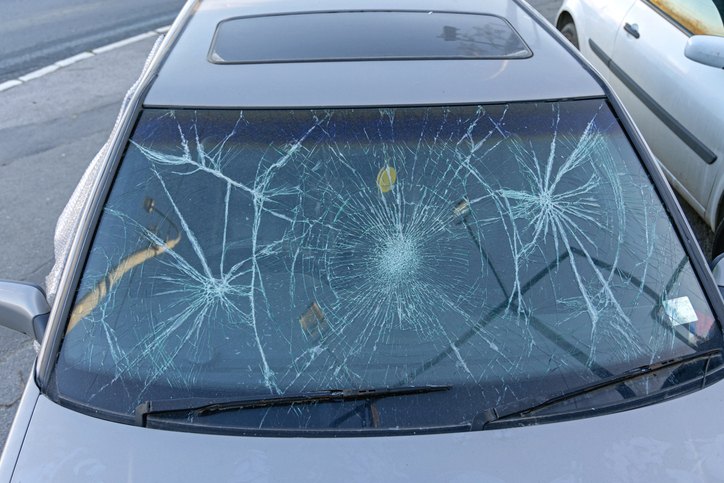
And do you know what happens when it gets cracked? You can’t repair it. Replacement becomes your only option, which is probably quite costly and time-consuming.
Rock Chip Types You Might See
Not all rock chips look the same. Some common types are:
Bullseye
- Circular damage
- Windshield chip repair is possible if caught early
Star Break
- Cracks radiating from the center
- Can spread quickly
Combination Break
- Mix of bullseye and cracks
- Requires fast attention
Surface Pit
- Small but weakens the glass
- Can turn into larger damage
Remember, if you can feel it with your fingernail, it should be inspected.

How to Prevent Rock Chips? Easy Windshield Crack Prevention Tips
You can’t avoid every rock, though, but at least you can reduce the risk of causing damage.
Some windshield crack prevention tips are:
Increase Following Distance
More space means fewer rocks hitting your windshield.
Watch Large Trucks
Bigger tires kick up bigger debris.
Slow Down in Construction Zones
Loose gravel increases chip risk.
Avoid Gravel Shoulders
Stones launch easily from the road edge.
Drive Carefully on Rough Roads
Bumps send debris airborne.
Park Smart
Avoid parking near active construction.
Manage Temperature Changes
Sudden heat or cold spreads chips faster.
How Long Does Rock Chip Repair Take?
Here is some good news. Rock chip repair only takes 30 minutes – if done correctly.
You get:
- A stronger windshield
- Less risk of spreading
- Peace of mind
And in many cases:
- Insurance covers it
- No deductible required
Why Early Repair Matters?
Timing – that’s what matters the most when it comes to rock chip repair.
But should you go for repair or replacement?
- Small chip + early repair = quick, affordable fix
- Ignored chip + time = full windshield replacement
Rock chip repair:
- Restores structural integrity
- Stops cracks from spreading
- Improves visibility
- Saves money
- Preserves the original windshield
However, when it cracks badly, repair is not an option.
Why Using Professional Tools is the Best Thing?
Let’s compare professional tools vs. DIY kits to understand it better:
| Aspect | DIY repair kits | Professional tools |
| Air removal | Often leaves trapped air | Fully removes air from the break |
| Resin penetration | Surface-level filling | Complete resin injection |
| Pressure control | Limited or inconsistent | Precisely controlled pressure |
| Bond strength | Temporary results | Long-lasting structural strength |
| Visual clarity | Repair often remains unnoticeable | Minimal visual distortion |
| Durability | Repairs may fail over time | Repairs are designed to last |
| Overall reliability | Inconsistent results | Professional-grade consistency |
Using advanced tools like the Equalizer Terminator system matters because they ensure accuracy and precision.
This system:
- Removes air from the damaged area
- Injects specialized resin under pressure
- Fills the break
- Bonds the glass layers together
- Restores strength and clarity
The result:
- A stronger windshield
- Minimal visual distortion
- Long-term durability
Final Thoughts
Rock chips may seem minor at first, but they have a way of growing into much bigger problems when left untreated. Road debris, weather, and everyday driving conditions all put constant stress on your windshield, making early repair the smartest move you can make.
Addressing damage quickly helps preserve the strength of your windshield, maintain clear visibility, and avoid the cost of full replacement.
At Skaug Bros Auto Glass, experienced technicians use professional tools and proven techniques for rock chip repair —helping drivers stay safe and protect their windshields before small damage turns into a major issue.