
When it comes to your family’s safety, is “good enough” really good enough? When was the last time you confirmed your ADAS system was calibrated correctly?
Sometimes when you replace your windshield, you forget to check whether your safety systems are aligned properly or not—because you are not just swapping out the glass; you are also dealing with cameras, sensors, and safety systems.
At Skaug Bros, we see it every single day. Drivers get their windshields replaced somewhere else and skip ADAS recalibration. After that, they believe everything is fine because their car is running “normally.”
But the truth is a bit darker.
When you skip ADAS recalibration after windshield replacement, you are gambling with your family’s safety. Is that what you want?
Of course, no. Right? So, let’s break down what happens when you skip ADAS recalibration and what you should do to make things better.

What is ADAS and Why Does It Matter?
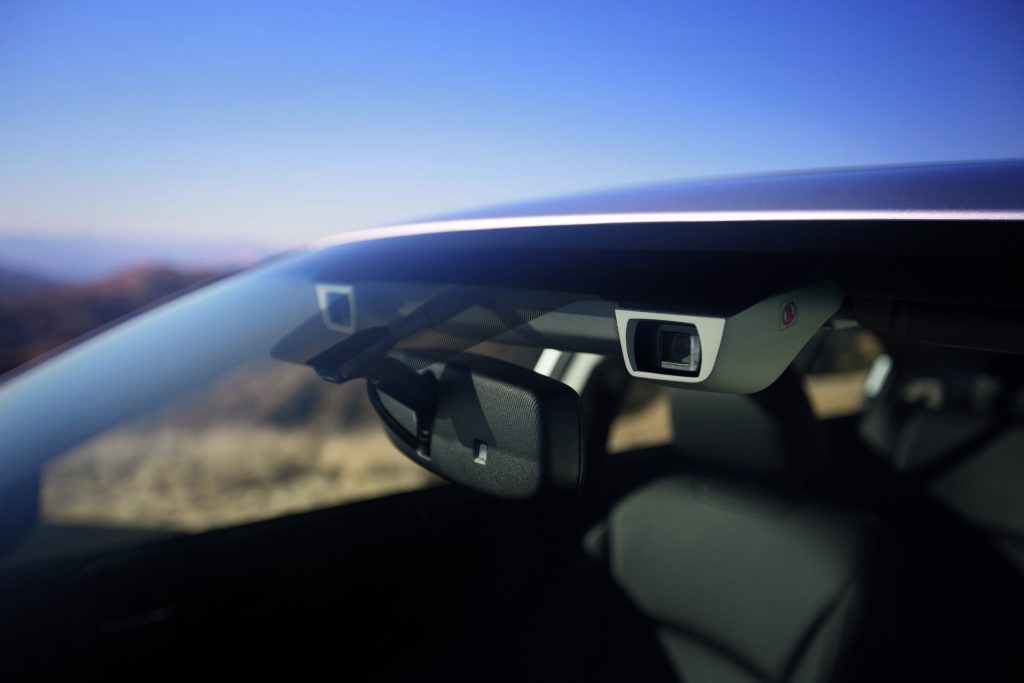
All modern vehicles are equipped with Advanced Driver Assistance Systems (ADAS) that rely on cameras and sensors and are mounted directly to the windshield.
Some of its common features are:
- Lane departure warning
- Lane keep assist
- Forward collision warning
- Automatic emergency braking
- Adaptive cruise control
- Traffic sign recognition
If your vehicle is newer than 2016 or 2017, chances are you have at least one of these features.
But what if the windshield were replaced?
The front-facing camera was removed and then reinstalled; this means recalibration is not just optional, it’s highly recommended.
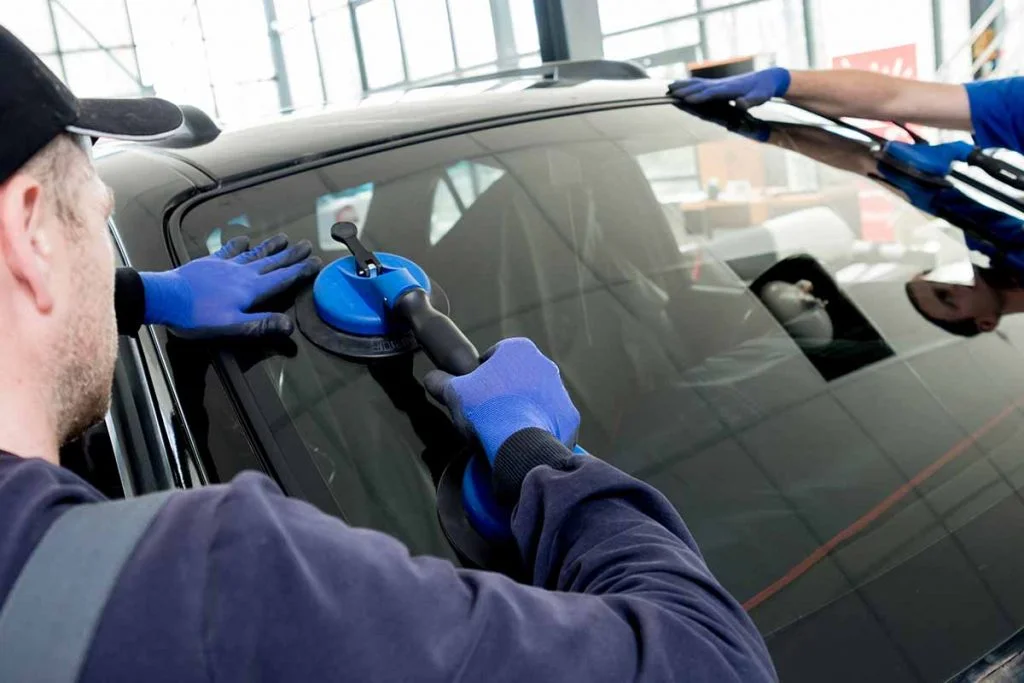
Why Does Windshield Replacement Affect ADAS?
Many people do not realize that the camera that controls ADAS features sits behind the windshield and must be positioned with millimeter-level precision.
Remember, even a slight shift can change how your vehicle sees the road.
So, when the windshield is replaced:
- The camera is detached.
- The bracket may shift slightly.
- The new glass may sit differently.
- Adhesives cure and settle.
Even if all the features look aligned to the naked eye, the system might be off.
And that little “off” can create big problems.
So, What Happens When You Skip ADAS Recalibration?
Now we’ll discuss the consequences of skipping ADAS recalibration.
False Collision Warnings
Imagine you are driving down a clean road. And suddenly your vehicle:
- Beeps loudly.
- Flashes a collision alert.
- Slams the brakes.
But there is nothing in front of you. This happens when your front-facing windshield camera is not calibrated correctly. Remember, a misaligned camera can:
- Misjudge distance.
- Detect shadows as obstacles.
- Confuse overpasses for hazards.
False alerts are not just annoying but dangerous as well.
Unexpected braking might cause the following:
- Rear-end collisions.
- Loss of vehicle control.
- Panic reactions.
Lane Assist Not Working Properly
Sometimes you notice that,
- The car is drifting without correction.
- Lane assist is activating too aggressively.
- Steering adjustments that feel jerky
It’s because your camera no longer has the proper angle reference. ADAS systems entirely depend on exact geometry, so if your camera is off by even a fraction of a degree,
- It may “see” the lane markers incorrectly.
- It may react too late.
- Or it may shut the feature down entirely.
You don’t always get a dashboard warning, and it stops protecting you quietly!
Disabled Safety Features
Some vehicles might disable ADAS features when recalibration is not completed properly. But others won’t, and they operate in an inaccurate mode, which simply means
- Automatic braking might not activate.
- Cruise control may follow too closely.
- Speed signs could be read incorrectly.
Imagine you bought a vehicle with advanced safety features, but you have skipped recalibration—it will become useless.
Increased Liability After an Accident
Now that’s something serious, which is often overlooked by most drivers.
If you are in an accident and ADAS didn’t function correctly, then the investigators may check your:
- Service records.
- Windshield replacement documents.
- Whether recalibration was completed
In case ADAS recalibration was skipped, liability could be increased and become complicated. Failing to complete it would be viewed as:
- Negligence.
- Improper repair.
- Incomplete service.
In short, it’s not just about your safety but also about protecting yourself legally as well.
You May Void Manufacturer’s Recommendations
Every manufacturer clearly states that recalibration becomes necessary after windshield replacement. But when you skip their recommendations, it will impact warranty claims related to ADAS systems. Plus, there will be several issues during resale inspections.
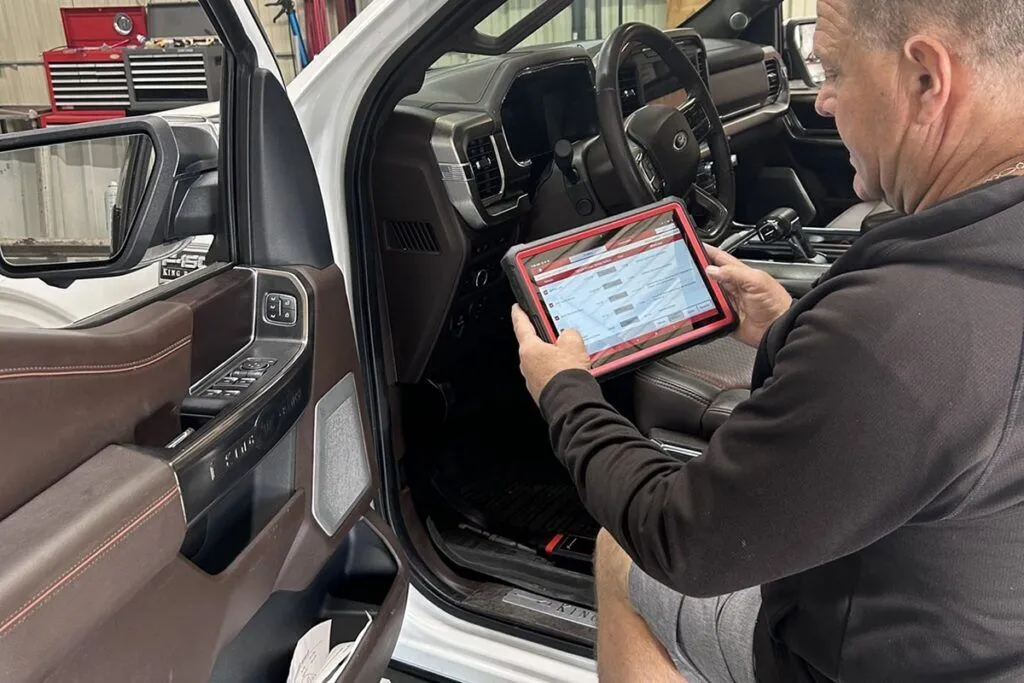
Why Recalibration Must Be Done In-Shop
Many drivers ask one question quite frequently:
“Can’t you just do it in our driveway?”
Well, the answer is NO. And here are the reasons:
Controlled Environment Matters
Proper recalibration requires:
- Level flooring.
- Exact measurements.
- Specialized targets.
- Precise lighting conditions.
Environmental changes and uneven pavement can affect the results.
So, in-shop recalibration ensures:
- Accurate alignment.
- Stable conditions.
- Repeatable results.
Specialized Equipment Required
Recalibration requires advanced diagnostic equipment like the following:
- OEM-level scan tools.
- Calibration targets.
- Laser measurement systems
Why Choose Certified Technicians for ADAS Recalibration?
It’s always recommended to work with the best Autel-certified and trained technicians in ADAS procedures.
Recalibration involves:
- Verifying sensor mounting integrity.
- Inspecting brackets.
- Checking glass quality and placement
Remember, an inexperienced technician can:
- Miss mounting damage.
- Fail to verify proper curing time.
- Skip pre-scan diagnostics.
- Overlook the manufacturer-specific requirements.
And that’s risky for you. Choose technicians who understand
- Vehicle-specific procedures.
- Manufacturer standards.
- Calibration tolerances.
- Post-installation validation.
The Cost of Skipping Vs. Doing it Right
| Skipping Recalibration | Doing it Right |
| False alerts or sudden braking | Accurate system performance |
| Safety features may fail | Fully restored protection |
| High accident risk | Safe daily driving |
| Possible liability issues | Proper documentation |
| Higher costs later | Long-term peace of mind |
This means recalibration is a small investment. Doing it right the first time can prevent several problems in the future.
Signs Your Vehicle Needs Recalibration
If you have recently replaced a windshield but skipped recalibration, then look for these signs:
- Warning lights related to lane assist.
- Inconsistent cruise control behavior.
- Sudden braking alerts.
- Steering corrections that feel off.
- ADAS features are not activating.
Even if you don’t see any warning lights, it doesn’t mean everything is working normally.
Final Thoughts
At the end of the day, when your manufacturer says ADAS recalibration required after a windshield replacement, they’re not just checking a box—they mean it.
Those cameras and sensors mounted to your windshield have to be lined up just right for things like automatic braking and lane assist to actually work the way you expect them to.
If that step gets skipped, you could end up with random warnings, safety features that don’t kick in when they should, or even bigger headaches if there’s an accident and the system didn’t respond properly. It’s one of those things you don’t think about until it really matters.
At Skaug Bros Auto Glass, recalibration isn’t treated as an add-on—it’s a critical part of completing the job properly. With Autel-certified technicians and professional in-shop equipment, we make sure your vehicle leaves with its safety systems fully restored and ready to protect you.