
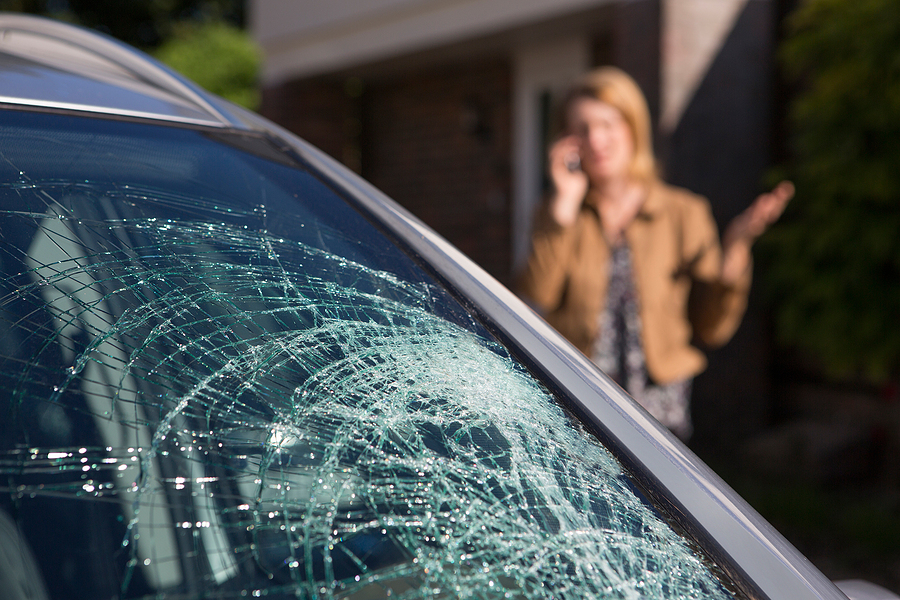

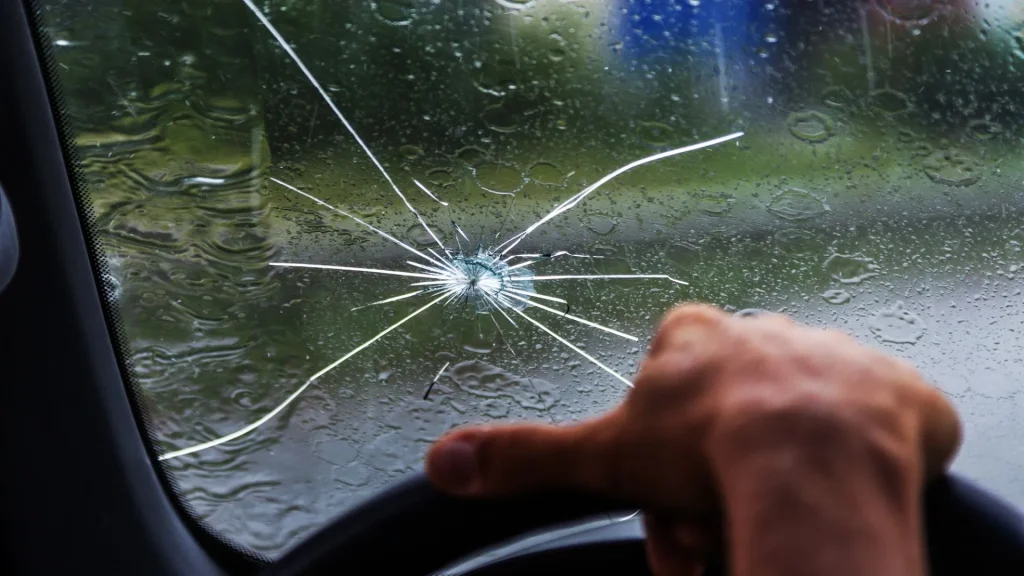
Have you ever walked out of your car and spotted a crack running across your windshield? You run your finger over it and think, “It wasn’t there yesterday.” How does it happen?”
At first, you tell yourself it’s not a big deal and just a small crack. You have to drop your children off at school and do other chores first, so it can wait…! Right?
But you may not realize that this small crack can be dangerous and risk your safety. Yes, you can drive with a cracked windshield for a small period, but that doesn’t mean you should.
Let’s break it down in detail and discuss important things about driving with cracked windshield. No scary tactics, no jargon… just facts about your safety and what the law generally expects from drivers.
What Kind of Crack Are We Talking About?
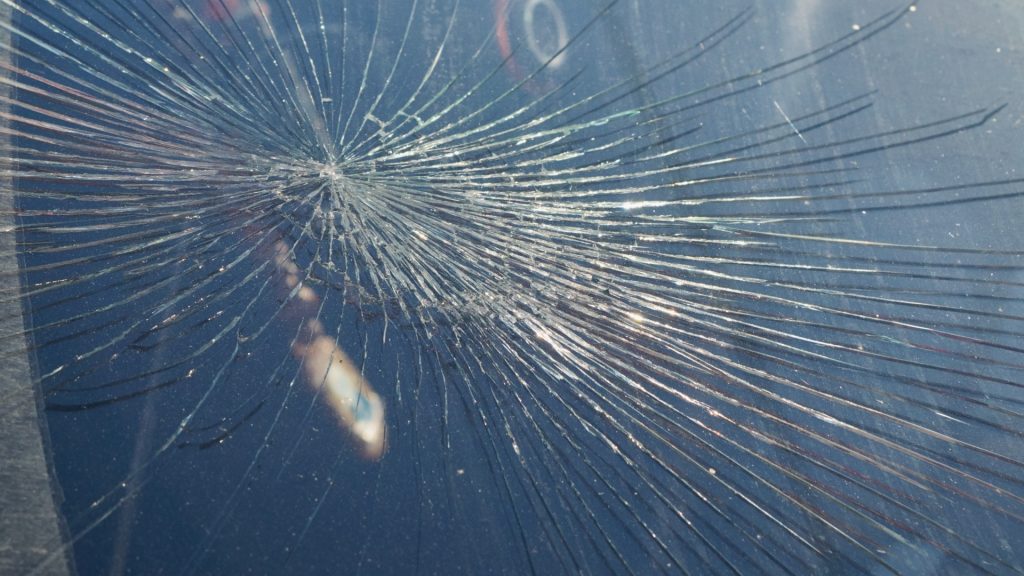
An interesting fact is that not all windshield cracks are the same. What we typically see is the following:
- Small rock chips
- Bullseye cracks
- Star breaks
- Hairline cracks
- Long, spreading cracks across the glass
- Edge cracks are starting near the frame
Sometimes, a tiny rock chip may seem harmless. But that small damage can turn into something more serious than most people expect. It’s better to consider rock chip repair services immediately to avoid further damage.
The Big Question – Can You Drive with a Cracked Windshield?
Technically, yes! Many cars can operate with a cracked windshield.
But what about your safety? It actually depends on the size, location, and severity of the crack. Most drivers do not think about two big factors—visibility and structural integrity.
Let’s talk about both.
Visibility – The Risk You Notice Instantly
Do not consider your windshield just a piece of glass. It’s a primary viewing window at highway speeds.
Sometimes a small crack can cause the following:
- Light distortion
- Glare during sunrise and sunset
- Starburst effects from headlights at night
- Reduced clarity in the rain
If a crack is exactly in your line of sight, it may force your brain to “deal with it.” That subtle distraction increases your reaction time even if you don’t consciously notice it.
Structural Integrity
Now this part surprises most people.
A windshield is a part of your car’s structural system. Some modern windshields are perfectly bonded with a frame of automotive urethane that helps
- Support the roof in a rollover
- Keep airbags deploying properly
- Maintain cabin integrity in a collision
Your windshield can provide up to 45% structural support in a front-end collision and even more in a rollover.
So, when the glass is cracked:
- Its strength is compromised.
- It may not hold under stress.
- It can shatter more easily in an impact.
Sometimes we can drive for months with no serious issue—until one day, when you need to perform that glass really well.
What Happens in a Crash with a Cracked Windshield?
Let’s talk about cracked windshield safety and the consequences that happen after a crash.
In case of a collision, the crack can spread immediately, and the glass may fail to hold pressure from deploying airbags. Also, your roof doesn’t have full support in a rollover, so your passengers can be at great risk of ejection if the windshield fails.
Signs It’s Time to Replace the Windshield
Not all windshield damages require immediate replacement. But there are some situations when it becomes necessary.
The Crack is in Your Line of Sight
You need to replace your windshield if the crack is
- Directly in front of the driver
- Distorting your view
- Causing glare
This is both a safety issue and a legal issue.
The Crack is Spreading
You may not know, but windshields contract and expand with temperature changes.
This means:
- Cold mornings
- Hot afternoons
- Defrost use
- Car washes
- Slamming doors
All these elements can make the simple crack grow and become bigger.
Sometimes a small repairable chip can turn into a full-length crack overnight.
The Crack Reaches the End of the Windshield
Edge cracks are extremely serious and shouldn’t be ignored.
When damage touches the frame:
- Structural integrity is weakened
- Repair is no longer possible.
- Replacement becomes necessary.
The Damage is Larger Than a Few Inches
According to a general rule, small chips can be repaired easily. But long cracks require immediate replacement.
The longer the crack, the weaker the glass.
Can a Small Chip Turn into a Big Problem?
Yes, always. And the reasons are:
- Windshields are under constant stress.
- Temperature swings cause expansion.
- Road vibration weakens cracks.
- Moisture can enter the damaged area.
Tiny chips can turn into full windshield replacements within days.
What Does a Law Say? Is a Cracked Windshield Illegal?
Traffic laws require an unobstructed view of the road. This means windshields should be free from damage that affects vision, and your vehicle should be in a safe operating condition—for your family’s safety.
If the crack is obstructing the line of sight, distorting vision, or creating an unsafe glare, then you should be cited.
While enforcement varies, officers generally look for the following:
- Cracks in the driver’s viewing area
- Long, spreading fractures
- Multiple damaged areas
- Severe visibility impairment
So it’s not about the size of the crack but about the damage that affects driving.
The “I Will Deal with It Later” Mindset
Life gets busy sometimes, and you have to manage other things first.
A cracked windshield doesn’t stop your engine from running, so it looks easy to postpone.
But do you know what happens in the long run?
- Small chip → ignored.
- Weather change → crack spreads.
- Repairable issue → becomes a full replacement.
- Minor expense → becomes a higher cost.
You can save money and time by addressing damages early.
Repair vs. Replacement – How Do You Know?
Repair is possible if:
- The chip is small.
- It’s not in the driver’s line of sight.
- It hasn’t spread.
- It’s not at the edge.
And windshield installation or replacement is necessary if:
- The crack is long.
- It’s spreading.
- It affects structural strength.
- It interferes with driver visibility.
So make sure you are aware of the size, severity of damage, location, and other things.
What Happens If You Ignore the Damage Completely?
Here’s what happens over time:
- Cracks widen.
- Dirt fills the gap.
- Water enters and expands in cold weather.
- The glass weakens further.
Eventually:
- Repair is no longer possible.
- Replacement becomes the only option.
- Structural safety is compromised.
And do you know what the worst-case scenario is?
You’ll face a sudden impact—a pothole or curb hit, leading to windshield shattering unexpectedly.
Final Thoughts
At the end of the day, most of us try to ignore a cracked windshield for as long as we can. Life’s busy, the car still drives, and it doesn’t feel urgent—until you’re squinting through glare at night or watching that crack creep a little farther across the glass. The truth is, it’s not just about looks.
Your windshield plays a bigger role in your safety than most people realize. That’s why having someone you trust take a quick look can make all the difference.
The folks at Skaug Bros Auto Glass see this stuff every day, and they’ll tell you straight—sometimes it’s a simple repair, sometimes it’s time for replacement, but either way, you’re better off handling it sooner rather than later. Peace of mind on the road is worth it.