


Have you ever noticed a small windshield crack getting bigger after a freezing winter night?
It’s one of those things every driver dreads. A tiny crack can quickly spread across the glass, turning a simple repair into a costly replacement.
When winter arrives, most people focus on preparing their vehicles by checking the tires, testing the battery, and making sure the heater works properly. However, one part of the vehicle often gets overlooked—the windshield.
Cold weather can be surprisingly hard on auto glass. Freezing temperatures can cause existing chips and cracks to expand, turning a minor issue into a much bigger problem over time.
Let’s take a closer look at why windshield cracks spread during winter and what you can do to prevent them.
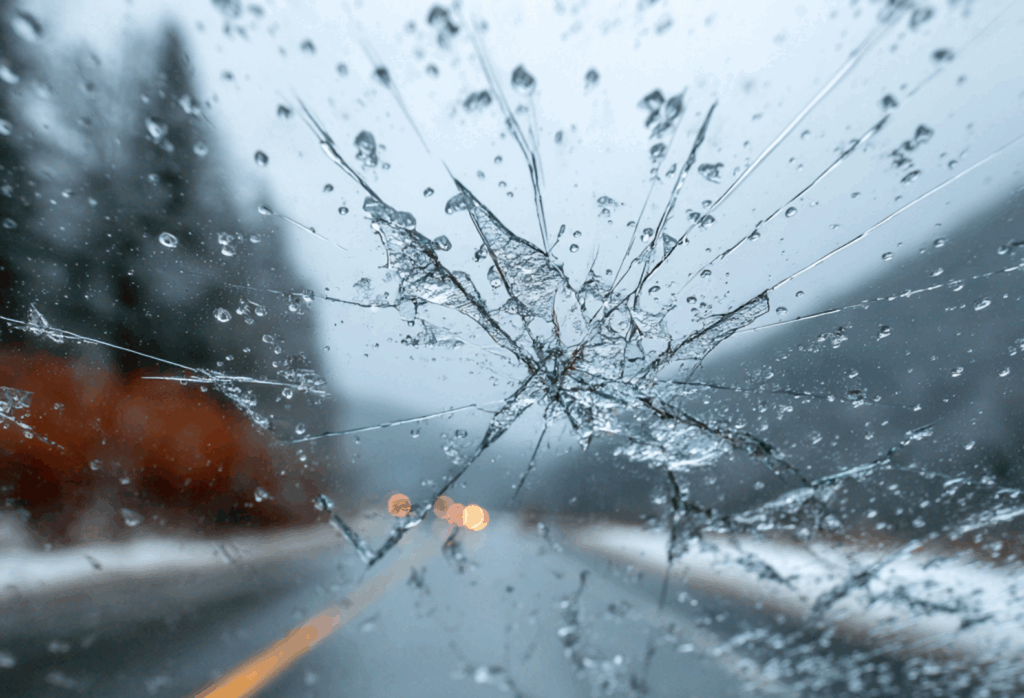
Do Windshield Cracks Spread in Cold?
Very few people know that windshields constantly expand and contract with temperature changes. Always remember when winter arrives:
- Glass contracts as temperatures drop.
- Existing cracks become stressed.
- Small chips can quickly spread.
- Creates additional pressure on damaged areas.
- Moisture can enter cracks and worsen the damage.
Even a tiny chip gets bigger and becomes visible in the cold season, which is barely noticeable in summer. That’s why you shouldn’t ignore a single crack in winter, as it can cost you hundreds of dollars later.
But Why Windshield Cracks in Winter?
Now that one question usually pops up in every mind. And of course, it makes sense. Why does a windshield even crack in winter?
Some common causes are:
- Flying rocks and road debris
- Gravel from construction zones
- Hail impacts
- Tree branches
- Minor accidents
- Sudden pressure changes
Most cracks start small, and drivers do not even consider them serious until they become visible. Remember, these cracks weaken the structural integrity of your vehicle, so they should be treated as soon as you notice them.
How Do Temperature Changes Affect Your Windshield Glass?
As mentioned earlier, windshield glass contracts and expands with temperature fluctuations.
When the weather is warm:
- Glass expands slightly.
- Existing damage may remain stable.
And when the weather is cold:
- Glass contracts.
- Stress concentrates around damaged areas.
- Cracks become more likely to spread
What is the Freeze-and-Expand Effect?
Moisture is probably one of the biggest winter threats for your windshield.
Here’s what happens:
- Water enters a chip or crack.
- Temperatures drop below freezing.
- Water freezes and expands.
- Expansion places pressure on the glass.
- The crack grows larger.
According to research, water expands by approximately 9% when it freezes.
Yes, it may not sound very important, but it’s good enough to force a small crack to spread across your windshield.
Sudden Temperature Changes Are Worse
Many drivers assume that windshield crack from cold. But the truth is, sudden temperature changes are the biggest culprit.
Consider this common scenario:
- It’s 20°F outside.
- You start your vehicle.
- You immediately blast hot air onto the windshield.
Now the inside area of the windshield is hot while the outside portion is cold and freezing due to temperature; this eventually creates thermal stress.
As a result:
- Small chips spread.
- Existing cracks lengthen.
- Repairable damage can become irreparable.
How Windshield Cracks Spread Overnight
One of the sad realities of windshield cracks is that they spread overnight. Drivers park their vehicles in perfect condition and wake up to find a big spreading crack just after a few hours.
Factors contributing to these cracks are:
- Freezing temperatures
- Ice formation
- Overnight contraction of glass
- Existing structural weakness
We may not see or hear them spreading. They spread silently while the vehicle sits parked.
Winter Roads Increase Windshield Risks
Road conditions often become worse in winter and contain the following:
- Sand
- Gravel
- Salt
- Ice chunks
- Debris kicked up by other vehicles
Now these materials strike the windshield. And if the windshield is already damaged or cracked, additional strikes make it even worse.
Tips to Prevent Crack Expansion
“Can the cold crack your windshield?” This one question often scares many drivers, and they can’t decide whether it’s true or not.
Well, yes, cold weather is not ideal for your vehicle. However, there are several tips to follow that help prevent crack expansion in winter.
1. Avoid sudden temperature changes
Do not blast hot air immediately. Instead:
- Start with lower heat settings.
- Allow gradual warming.
Increase temperature slowly.
2. Park Indoors
Always park your car in the garage. It will help:
- Reduce temperature extremes
- Minimize frost buildup
- Protect against freeze-thaw cycles
3. Remove Ice Carefully
Never use:
- Metal scrapers
- Screwdrivers
- Sharp tools
Always use ice scrapers designed especially for auto glass.
4. Maintain Cleaning
Ensure regular cleaning, as it will help:
- Improve visibility
- Prevent contamination
- Make damage easier to monitor
Can Ice Crack a Windshield?
That’s another big question many people ask. Can ice crack a windshield?
Well, yes, it does. It makes existing cracks even worse. Because water enters small chips or cracks and then freezes. After that, frozen water expands and puts pressure on the glass. It causes cracks to spread and become much more severe.
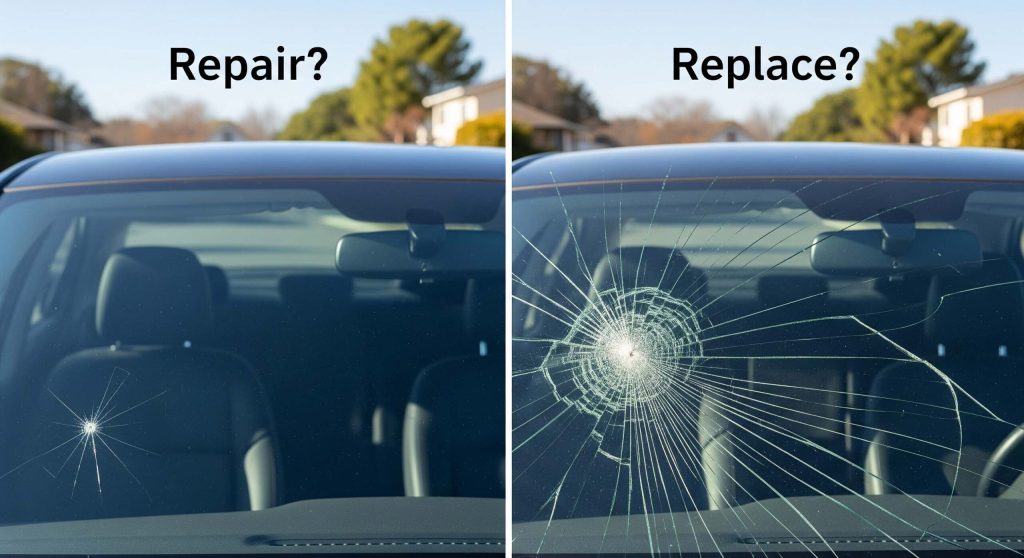
When Should You Replace Instead of Repair?
Windshield replacement becomes necessary when:
- The crack is too long.
- Damage affects the driver’s line of sight.
- Multiple cracks are present.
- The crack reaches the edge of the windshield.
- Structural integrity has been compromised.
The Cost of Waiting?
When you ignore and do not replace, it often leads to the following:
- Larger cracks
- More expensive repairs
- Reduced visibility
- Increased safety concerns
- Full windshield replacement
Final Thoughts—Windshield Crack Cold Weather
Winter weather can really take its toll on your vehicle, and the windshield is no exception. If your windshield has developed a chip or crack, don’t wait.
Cold temperatures, moisture, freeze-thaw cycles, and temperature fluctuations can cause cracks to spread further. Repairing windshield damage quickly can help save money and improve safety by minimizing unexpected problems in cold weather․
Our experienced team at Skaug Bros Auto Glass can help you determine if your windshield should be repaired or replaced to ensure your car is safe all year round․