
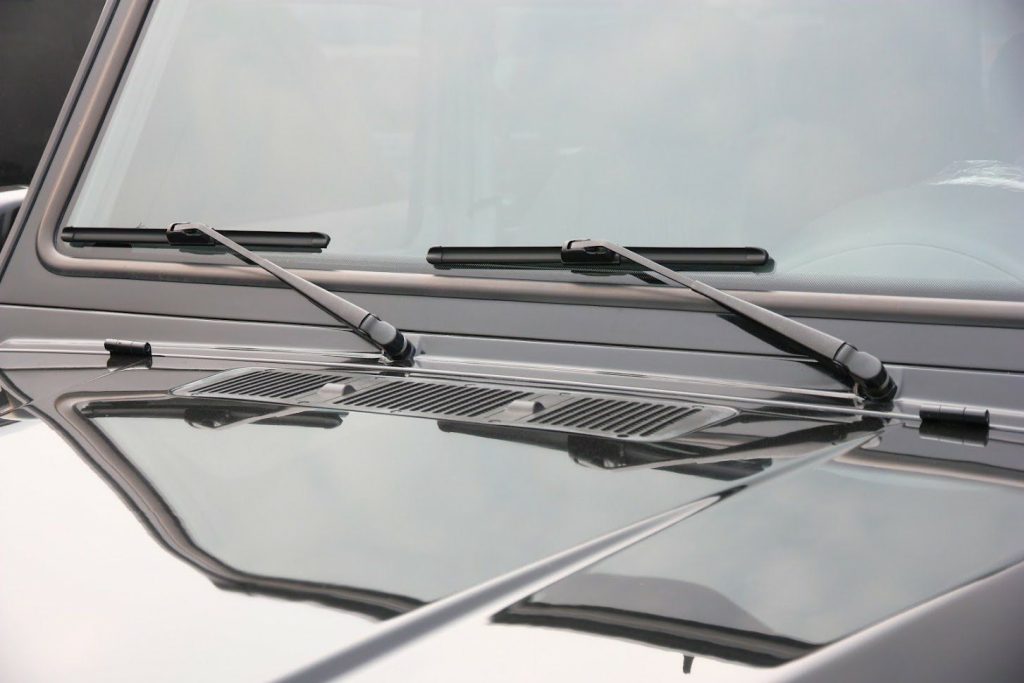


Have you ever wondered if your wiper blades can actually scratch your windshield?
If yes, don’t worry. You are not alone.
Under normal conditions, properly maintained wiper blades shouldn’t scratch your windshield. However, worn blades, trapped dirt, sand, and other debris can potentially cause surface damage when they’re repeatedly dragged across the glass.
The good news is that most wiper-related problems are preventable.
Knowing what causes windshield scratches, recognizing when your wipers are worn, and replacing them at the right time can help protect your windshield and keep your visibility clear.
Let’s take a closer look.
Do Wiper Blades Scratch Windshield?
One of the most common questions drivers ask is
“Do wiper blades scratch windshield glass?”
Normally, properly functioning wiper blades shouldn’t scratch a healthy windshield.
The rubber edge of the blade is designed to glide across the glass and remove water, not damage it.
The problem starts when the blade becomes worn or damaged.
A deteriorating wiper blade can develop:
- Cracks
- Hard or brittle rubber
- Torn edges
- Uneven surfaces
- Missing sections
- Dirt and debris buildup
When this happens, the blade may no longer move smoothly across the windshield.
Instead, it can drag, skip, chatter, or leave behind streaks.
And if dirt, sand, or other particles become trapped underneath the blade, they can potentially act like abrasive material as the blade moves across the glass.
How Do Wiper Blades Damage Windshields?
Wiper blades don’t usually scratch glass simply because they’re moving across it.
The bigger issue is what’s happening between the blade and the windshield.
Think about it this way.
Imagine dragging a piece of clean rubber across clean glass.
There’s generally little reason for it to cause damage.
Now add:
- Sand
- Dirt
- Small pieces of gravel
- Road grime
- Dried mud
- Other abrasive particles
The situation changes.
Repeatedly moving those particles across the windshield can contribute to fine surface marks over time.
This is one reason keeping both the windshield and wiper blades clean matters.
What Are Windshield Wiper Streaks and Scratches?
Not every mark you see on your windshield is a scratch.
This is an important distinction.
Windshield wiper streaks and scratches can look similar at first, but they’re different problems.
Streaks
Streaks are usually caused by the wiper blade failing to make consistent contact with the windshield.
You may notice:
- Lines of water
- Hazy areas
- Smearing
- Uneven cleaning
- Repeating patterns across the glass
Streaks may disappear when the windshield dries.
That’s often a sign that you’re dealing with a wiper or cleaning issue rather than permanent glass damage.
Scratches
Scratches are physical marks on the glass surface.
They may remain visible even when the windshield is completely dry.
You might notice them more clearly when:
- The sun hits the windshield
- Headlights shine toward you at night
- The windshield is wet
- You’re driving toward bright light
If you’re unsure whether you’re looking at streaks or actual scratches, an auto glass professional can inspect the glass.
Why Worn Wiper Blades Are a Problem
Wiper blades don’t last forever.
The rubber is exposed to:
- Sunlight
- Heat
- Cold
- Rain
- Snow
- Road chemicals
- Dirt
- Frequent movement
Over time, the rubber can deteriorate.
This is where worn wiper blade damage can become a concern.
A worn blade may:
- Skip across the glass
- Chatter during use
- Leave water behind
- Smear dirt
- Make unusual noises
- Fail to clear certain areas
- Drag debris across the windshield
Even if the blade still moves, that doesn’t necessarily mean it’s working properly.
When Should You Replace Wiper Blades?
So, when to replace wiper blades?
There’s no single date that works for every driver.
Wiper blade life depends on factors such as:
- How often you drive
- Local weather conditions
- Sun exposure
- Winter conditions
- Vehicle storage
- Wiper quality
How frequently the blades are used
Instead of relying only on a calendar, pay attention to how your wipers perform.
Look for These Warning Signs
Consider replacing your wiper blades if you notice:
- Persistent streaking
- Skipping
- Chattering
- Squeaking
- Uneven wiping
- Cracked rubber
- Torn rubber
- Visible deterioration
- Sections of the windshield that remain wet
These signs suggest the blade isn’t making proper contact with the glass.
What Happens If You Ignore Worn Wipers?
It may seem harmless.
After all, the wipers still move.
But continuing to use severely worn blades can create several problems.
Reduced Visibility
The most immediate concern is visibility.
A windshield covered in water, streaks, or smears can make it harder to see.
This can become particularly noticeable at night.
Headlights from approaching vehicles can reflect through the moisture and streaks, creating additional glare.
More Stress on the Windshield
A damaged or contaminated blade can drag across the glass instead of gliding smoothly.
Over time, repeated contact with abrasive debris can contribute to surface wear.
More Frustration During Bad Weather
When you need your wipers most, you want them to work properly.
A heavy rainstorm isn’t the time to discover that your blades are leaving half the windshield covered in water.
Can Dirt Under Wiper Blades Scratch Glass?
Yes, dirt and debris can be a bigger concern than the rubber itself.
Your vehicle travels through an environment filled with tiny particles.
Your windshield can collect:
- Dust
- Sand
- Road salt
- Mud
- Insects
- Small pieces of debris
If these particles become trapped between the wiper blade and glass, wiping them back and forth repeatedly can increase the risk of surface marks.
That’s why preventing windshield scratches starts with something very simple:
Keep the windshield and wiper blades clean.
How to Prevent Windshield Scratches?
Fortunately, you don’t need complicated equipment to protect your windshield.
A few simple habits can make a difference.
Clean Your Wiper Blades
Every so often, lift the wiper arms and inspect the rubber edges.
Wipe them gently with a clean, damp cloth.
This can remove accumulated dirt and grime.
If the rubber is cracked, torn, or deteriorating, cleaning won’t solve the problem.
Replacement is usually the better option.
Clean Your Windshield Regularly
Don’t wait until your windshield becomes visibly dirty.
A clean windshield gives the wiper blades a cleaner surface to work against.
Use an appropriate automotive glass cleaner and a clean microfiber cloth.
Avoid using abrasive materials that could introduce additional marks.
Don’t Run Dry Wipers
This is an easy mistake to make.
If your windshield is covered in dust or dirt, turning on the wipers without washer fluid can drag that debris across the glass.
Whenever possible, use windshield washer fluid when the glass needs cleaning.
Don’t Use Wipers to Remove Heavy Debris
Your wipers aren’t designed to sweep away:
- Leaves
- Snow
- Ice
- Thick dirt
- Large debris
- Remove larger material manually first.
For snow and ice, use appropriate tools rather than forcing the wipers through it.
Trying to move frozen material with the wipers can damage both the blades and the windshield.
Can Ice Damage Your Wipers and Windshield?
Cold weather can be particularly hard on wiper blades.
When temperatures drop, moisture can freeze the blades to the windshield.
If you turn the wipers on while they’re stuck, the motor may try to move them against the frozen surface.
This can:
- Tear the rubber
- Damage the wiper mechanism
- Reduce blade performance
- Create problems with the windshield
Before using your wipers in freezing conditions, make sure they’re free from ice.
A proper windshield scraper or de-icing method is safer than forcing the wipers to do the job.
What About Small Windshield Scratches?
Suppose you’ve already noticed fine scratches.
What should you do?
That depends on how severe they are.
Very minor surface marks may not require immediate windshield replacement.
However, scratches that interfere with visibility deserve attention.
Pay particular attention if they’re located directly in your normal field of vision.
Professional auto glass installation experts can inspect the windshield and determine whether the marks are cosmetic or whether they may affect safe visibility.
Should You Replace the Wipers or the Windshield?
This is where things can get confusing.
If your windshield is streaking, you might immediately assume the glass needs replacement.
Often, that’s not the case.
Start with the simplest possibility.
Replace the Wipers If:
- The rubber is cracked
- The blades are worn
- They’re skipping
- They’re leaving streaks
- They’re chattering
- They aren’t clearing water properly
Have the Windshield Inspected If:
- Scratches remain after cleaning
- There are cracks or chips
- Visibility is affected
- Damage is in the driver’s line of sight
- The glass has significant surface damage
Sometimes, the solution is simply a fresh set of wiper blades.
Other times, the glass itself needs professional attention.
How Often Should You Check Your Wipers?
You don’t need to inspect them every day.
But making a quick check part of your routine can help.
For example, inspect them when:
- You wash your vehicle
- Seasons change
- You notice streaking
- Rainy weather begins
- The wipers become noisy
Take a few seconds to look at the rubber edge.
If you see cracks, tears, or obvious deterioration, don’t wait until the next major storm to replace them.
Don’t Forget Your Washer Fluid
Wiper blades work together with your windshield washer system.
If your washer fluid is empty, you may be tempted to use the wipers on a dirty windshield anyway.
That’s not ideal.
Keep your washer-fluid reservoir filled with an appropriate windshield washer fluid.
It helps remove:
- Road grime
- Dust
- Bugs
- Light dirt
- Water spots
And it gives your wipers a cleaner surface to work with.
Are Expensive Wiper Blades Always Better?
Not necessarily.
The most important thing is choosing a blade that’s appropriate for your vehicle and maintaining it properly.
A high-quality blade that’s neglected can still become worn.
Likewise, a reasonably priced blade that’s replaced when necessary and kept clean can perform well.
When choosing replacement blades, make sure they’re the correct size and compatible with your vehicle.
What If Your Windshield Is Already Damaged?
Sometimes windshield damage happens despite good maintenance.
- A rock can hit the glass.
- A small chip can develop into a crack.
- A scratch can become distracting.
When that happens, it’s worth having the windshield evaluated rather than guessing about the damage.
An auto glass professional can determine whether the glass can be repaired or whether replacement is more appropriate.
Final Thoughts
So, do wiper blades scratch windshield glass?
They can contribute to scratches and surface damage when they’re worn, damaged, contaminated with debris, or used improperly.
But your wipers aren’t automatically damaging your windshield simply because they move across it.
If you’re wondering when to replace wiper blades, don’t wait until they completely stop working. Poor wiping performance is already a good reason to replace them.
For drivers in Moses Lake, WA, Skaug Bros Auto Glass can help you determine whether you’re dealing with a windshield maintenance issue, a chip or crack, or glass damage that needs professional attention.