
Have you ever wondered why some newer vehicles, especially those that are older than 2016, feel like they “think for you”? Because they actually do. They are built to be proactive, not reactive. They are smart, like, “I can brake for you if you don’t.”
Their Advanced Driver Assistance Systems are designed specifically to observe, calculate, and react much faster than human reflexes ever could. Their network of cameras and sensors works nonstop to help keep you safer on every drive.
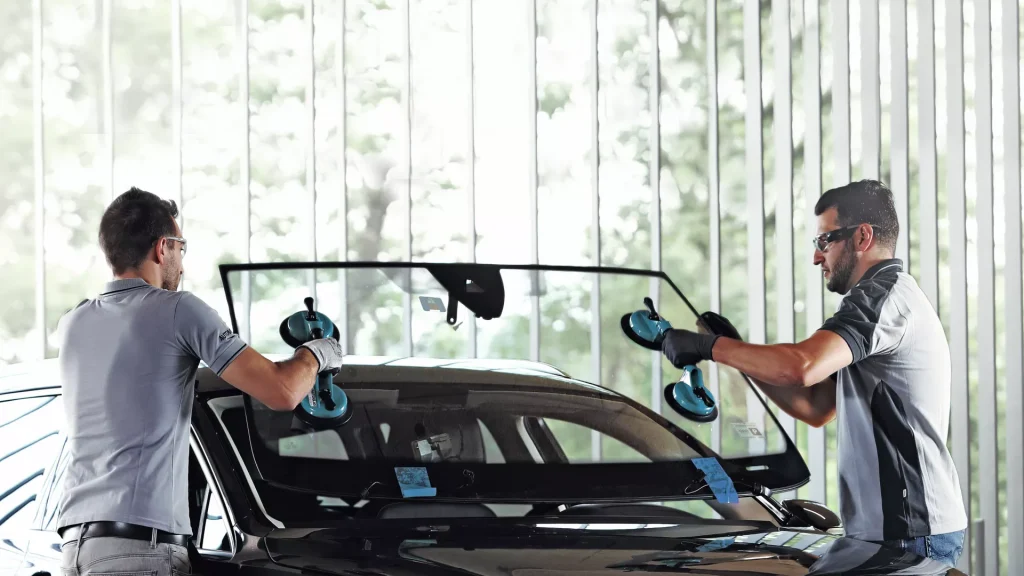
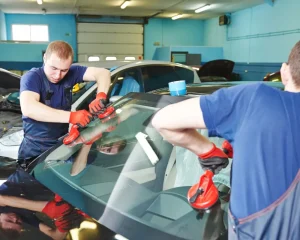
But here is one part that most drivers do not realize. Replacing the windshield without recalibrating ADAS can quickly disable those systems that actually think for you.
It’s normal. At Skaug Bros, we handle these cases every week. Windshields get replaced, and cars drive away. Drivers assume everything is in control – but it’s not!
Let’s break down some interesting details about why ADAS recalibration is important after every windshield replacement.
What is ADAS?
As stated above, ADAS stands for Advanced Driver Assistance Systems.
This smart technology is designed to help prevent accidents using cameras, sensors, and radars. Many of these cameras are mounted directly to the windshield. When the windshield moves even slightly, the system must be recalibrated.
What Does ADAS Actually Control?
Now, the next thing is, what does this system control?
The truth is, ADAS is not just one feature. It’s basically a network of safety systems that work together for your safety.
Here are some forward-facing camera recalibration features:
- Automatic Emergency Braking
- Forward Collision Warning
- Pedestrian Detection
- Cyclist Detection
- Traffic Sign Recognition
- Adaptive Cruise Control
- Following Distance Control
The system also offers lane and steering assistance features:
- Lane Departure Warning
- Lane Keep Assist
- Lane Centering
- Road Edge Detection
Lane departure warning and lane keep assist rely on precise camera alignment. That’s why lane departure recalibration is extremely important after windshield replacement.
And surprisingly, some driver awareness features as well:
- Driver Attention Monitoring
- Fatigue Detection
- Hands-On-Wheel Detection
Almost 90% of these features rely on a camera mounted to the windshield.
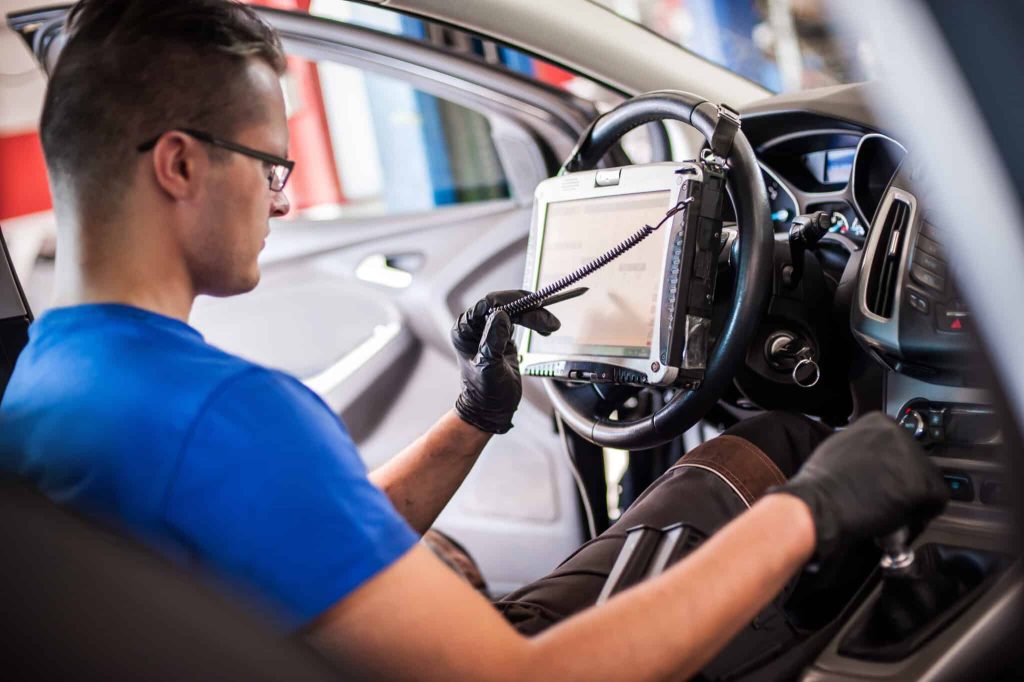
What is ADAS Recalibration?
Let’s discuss what ADAS recalibration is.
This is primarily a process to re-teach the vehicle where the camera is and re-align the system to factory specifications.
ADAS recalibration ensures safety systems respond correctly in real-world conditions. You can think of it like your car’s brain needs to relearn its eyes.
Why is Recalibration Required After Windshield Replacement?
Short answer – It’s mandatory, and its manufacturer’s demand.
Long answer – ADAS cameras should be positioned within highly tight tolerances. If there is a small change in camera angle, it would affect distance calculation, object recognition, and reaction timing.
When you don’t consider recalibration, there are lots of consequences. Your alerts will trigger too late, your brakes may not engage, lane corrections may drift, and systems may shut off entirely.
And do you know what the scary part is? Your dashboard may show no warnings at all.
You can get the best windshield camera recalibration services in Moses Lake, where experts can carefully restore camera alignment after windshield replacement.
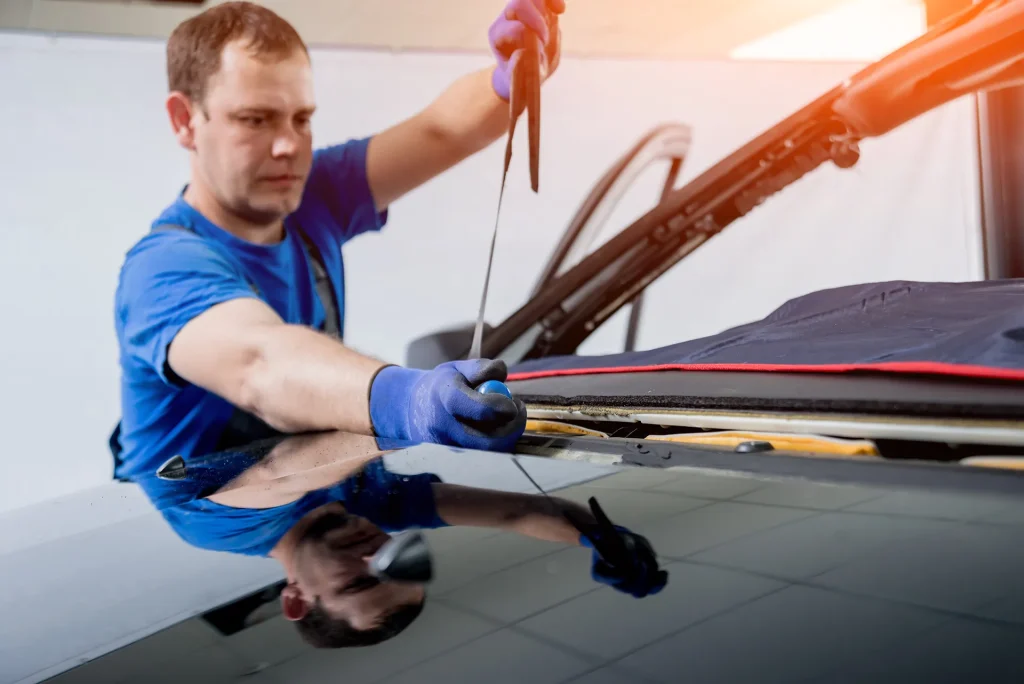
Static Vs Dynamic Recalibration – A Quick Breakdown
If you have considered recalibration, you must know that not every recalibration is the same.
There is a static and dynamic recalibration:
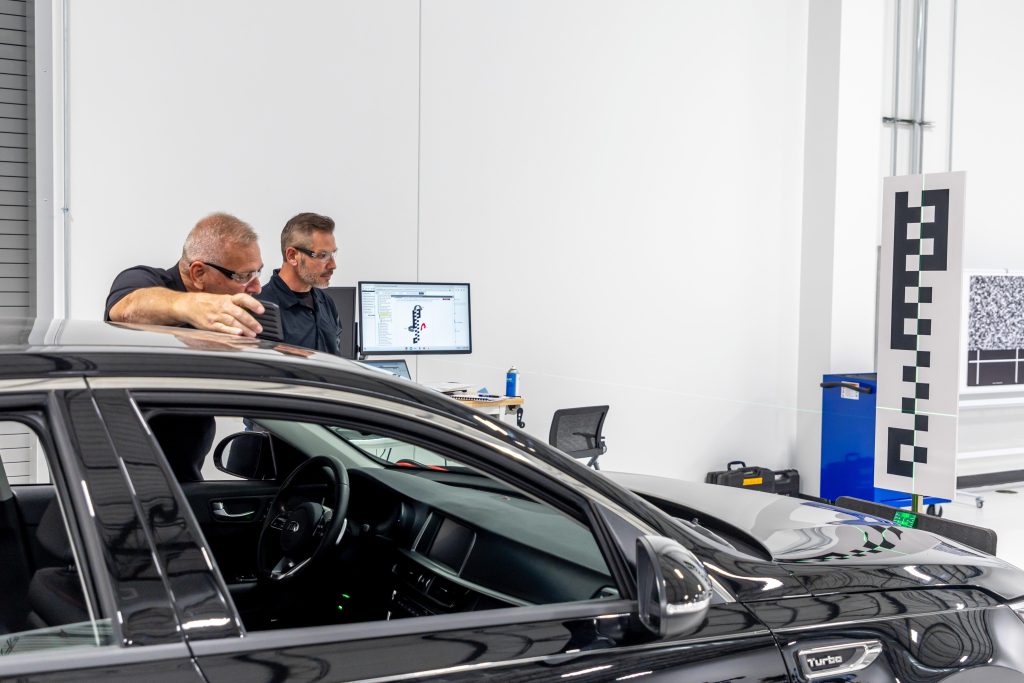
Static Recalibration
- Performed in-shop
- Uses precise targets and measurements
- Vehicle remains stationary
- Required by many manufacturers
Dynamic Recalibration
- Requires controlled driving conditions
- Specific speeds
- Clear road markings
- No traffic interference
Many service providers like Skaug Bros offer in-shop static recalibration, which is the safest and most controlled method available.
Why In-Shop Recalibration Matters?
Not all shops are experts in this matter, which offers:
- Controlled lighting
- Exact distances
- Level surfaces
- Manufacturer-required targets
- No road variables
Results?
- Accurate outcomes
- Repeatable safety
- Documented compliance
Autel Certification – Why it Matters?
Autel certification is crucial as it ensures OEM-level accuracy and manufacturer-approved procedures. You can get up-to-date vehicle software coverage as well as proper documentation of recalibration.
In simple terms, a qualified team is:
- Not guessing
- Not cutting corners
- Doing it the right way
What Happens if ADAS is Not Recalibrated?
Do you know what, skipping recalibration is not just unsafe but risky too.
Here are some safety risks:
- Emergency braking may fail
- Lane assist may pull incorrectly
- Collision warnings may misfire
- Pedestrian detection may not activate
And here are some legal and liability risks:
- Insurance claims can be denied
- Liability can shift to the vehicle owner
- Repair documentation matters
In case the system fails after windshield replacement and recalibration are not done, then there is a serious problem.
Recalibrated Vs. Not Recalibrated
Here is a small breakdown of what to expect with recalibration and without recalibration:
| Area | With ADAS Recalibration | Without ADAS Recalibration |
| Safety system accuracy | Restored to the manufacturer’s standards | Accuracy maybe compromised |
| Emergency braking response | Timely and precise | May trigger late or not at all |
| Lane assistance | Proper lane recognition | Drifting or incorrect correction |
| Dashboard warnings | Systems operate as intended | May show no warning despite issues |
| Insurance compliance | Meets claim requirements | Risk of denied or delayed claims |
| Driver’s confidence | High confidence in vehicle safety | False sense of security |
“My Dashboard Light Is Not On…”
We hear this all the time. But the truth is, most ADAS systems do not trigger warning lights. Sometimes the system thinks it’s working, but in actuality, it’s not.
No warning light doesn’t mean:
- Proper alignment
- Correct distance measurement
- Safe operation
Recalibration can confirm it, though.
Vehicles That Need ADAS Recalibration
Well, this includes, but is not limited to:
- Ford
- Toyota
- Honda
- Subaru
- Mazda
- Nissan
- Hyundai
- Kia
- BMW
- Mercedes-Benz
- Audi
- Volkswagen
- Tesla
If your vehicle has a camera behind the rearview mirror, lane assist, or collision avoidance, then recalibration is required.
But, How Long Does Recalibration Take?
Many people ask this question how long does it take?
- 30 minutes to 2 hours
- Depends on vehicle make and model
- Depends on the number of systems
The experts explain thoroughly about what your vehicle needs, why it’s necessary, and what to expect.
Conclusion:
On today’s vehicles, a windshield replacement isn’t truly complete without ADAS recalibration. The cameras and sensors that support critical safety features rely on precise positioning, and even minor changes during glass replacement can affect how your vehicle responds on the road.
Recalibration restores factory-level accuracy, protects your safety systems, and helps reduce liability by ensuring your vehicle performs exactly as the manufacturer intended. When it comes to modern automotive safety, recalibration isn’t optional—it’s essential.